

I taught statistics to university students for almost a decade and I can’t deny, it’s a hard sell.
A loathing of statistics seems universal, despite the attempted rebrand to data science which occurred circa 2015. A cursory search for ‘statistics phobia in students’ on google scholar yields more than one-hundred-thousand articles on the subject. Some of these articles try to provide solutions, but they tend to range from the vague ‘keep assessments to the minimum’ to the condescending ‘throw in some memes’. I being me, refused to accept a classroom of resentful disengaged students. Instead I developed a programme which explored the history of statistics, which is pretty dark, and stressed the importance of a subject that when used properly can shift out the bullshit leaving the truth.
One constant request from my students was for ‘one’ book that would teach ‘everything they needed to know’. Looking through the literature on this subject I began to understand their frustration. There were no books providing the practical know how AND the relevant background necessary for true understanding. Many of the quirks and contradictions in statistics result from it’s history. Why is the null hypothesis of most statistical tests that there is no difference? The answer is practical, this counter-intuitive rule is due to one William Gossett who created one of the first statistical tests, the t-test. He was a brewer for Guinness and wanted to ‘prove’ that each batch of beer was the same as the previous. Other people took up his test and it became the norm.
In 1954 Darrell Huff published the brilliant ‘How to Lie with Statistics’. It remains a great book on the fundamentals. However, in a world where politicians ignore reality, misinformation is on every screen and data models manipulate our very thoughts, I considered it might be time for a new book….
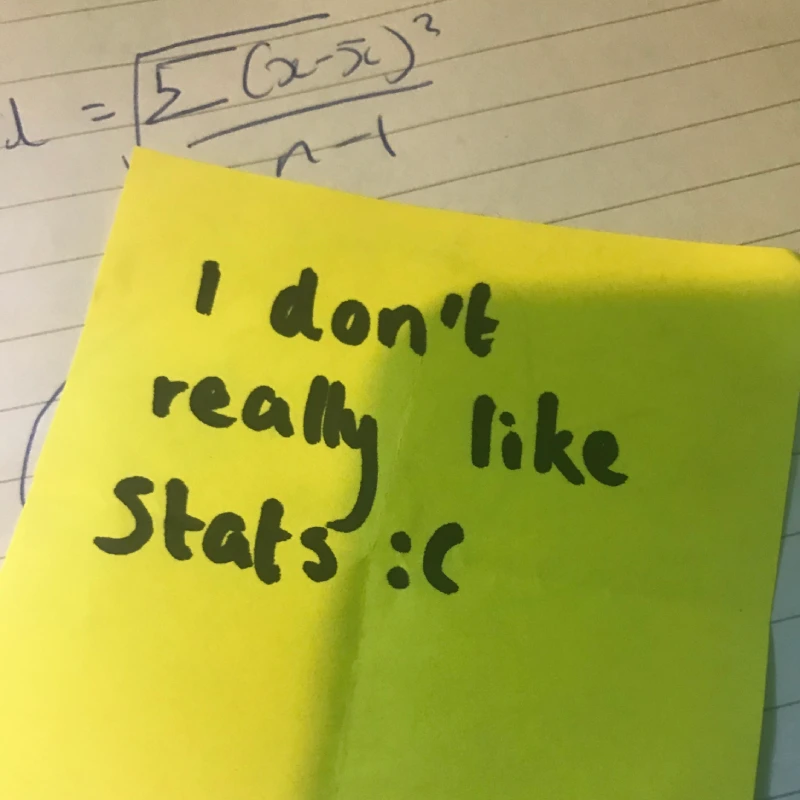 How (not) to lie with statistics:
Introduction
(Coming Soon) Chapter Outline
(Coming Soon)
if you are interested in working with me on this book please get in touch for more details.